
Buying a home is one of the biggest financial decisions in life. Whether you are purchasing your first property or investing for future returns, choosing between a ready-to-move home and an under-construction property can be confusing.
Both options come with their own advantages, risks, and investment potential. Some buyers prefer immediate possession and zero waiting time, while others look for better pricing and future appreciation.
In this detailed guide, we will compare ready-to-move vs under-construction homes based on price, risk, tax benefits, investment returns, loan approval, amenities, and long-term value to help you make the right decision in 2026.
What is a Ready-to-Move Home?
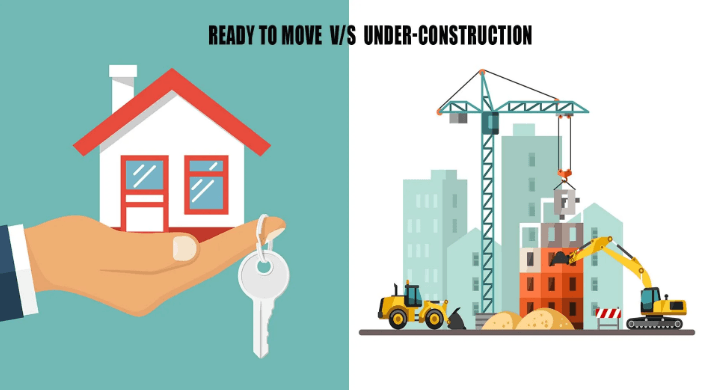
A ready-to-move home is a property that is fully completed and available for immediate possession. Buyers can inspect the actual apartment, construction quality, amenities, and surroundings before making the purchase.
These properties are ideal for people who want instant shifting without waiting for years.
Advantages of Ready-to-Move Homes
1. Immediate Possession
The biggest advantage is that buyers can move in immediately after purchase. There is no construction waiting period involved.
2. No GST on Ready Property
In India, GST is not applicable on ready-to-move-in properties if the completion certificate has been issued. This helps reduce the overall cost.
3. What You See is What You Get
You can physically inspect:
- Construction quality
- Ventilation
- Room sizes
- Amenities
- Neighborhood
- Connectivity
This reduces uncertainty significantly.
4. Lower Risk
There is minimal risk of:
- Project delays
- Legal disputes
- Construction fraud
- Possession uncertainty
5. Rental Income Opportunity
Investors can immediately generate rental income from ready-to-move apartments.
Disadvantages of Ready-to-Move Homes
1. Higher Property Prices
Ready homes usually cost more compared to under-construction projects in the same area.
2. Limited Customization
You cannot modify layouts, flooring, or interior structures significantly after construction is completed.
3. Older Inventory in Some Cases
Some ready properties may have older designs or outdated amenities compared to newly launched projects.
What is an Under-Construction Property?
An under-construction property is a project that is still being developed and has not yet received possession approval.
Buyers usually invest during the launch or construction stages to get lower prices and higher appreciation potential.
Advantages of Under-Construction Homes
1. Lower Purchase Price
Under-construction homes are generally priced lower than ready properties. Developers often offer:
- Pre-launch discounts
- Flexible payment plans
- Early-buyer benefits
This makes them attractive for investors.
2. Higher Appreciation Potential
Property prices often increase as construction progresses. Early investors can benefit from better capital appreciation.
3. Modern Amenities and Design
New projects usually include:
- Smart home features
- Clubhouse
- Green spaces
- Modern architecture
- EV charging
- Advanced security systems
4. Flexible Payment Plans
Developers provide construction-linked payment plans that reduce upfront financial pressure.
5. Better Unit Selection
Buyers can choose:
- Preferred floor
- Better views
- Ideal facing
- Premium location within the project
Disadvantages of Under-Construction Properties
1. Possession Delays
Project delays are one of the biggest concerns in under-construction properties.
Even with RERA regulations, delays may still happen because of:
- Approval issues
- Funding problems
- Construction slowdowns
2. GST Applicable
Under-construction properties attract GST, increasing the total purchase cost.
3. Uncertainty in Final Outcome
The delivered project may differ from brochures or sample flats in:
- Quality
- Amenities
- Finishing
- Open spaces
4. EMI + Rent Burden
Many buyers end up paying:
- Home loan EMI
- Existing house rent
at the same time until possession is received.
Ready-to-Move vs Under-Construction Homes: Key Comparison
| Factor | Ready-to-Move Homes | Under-Construction Homes |
|---|---|---|
| Possession | Immediate | Delayed |
| Pricing | Higher | Lower |
| GST | Not Applicable | Applicable |
| Risk | Low | Medium to High |
| Rental Income | Immediate | After Possession |
| Appreciation Potential | Moderate | High |
| Customization | Limited | More Flexible |
| Inspection | Physical Visit Possible | Based on Plans |
| Investment Return | Stable | Growth-Oriented |
Which Option is Better for End Users?
If you are buying a home for self-use and want peace of mind, ready-to-move homes are usually the better choice.
They offer:
- Immediate shifting
- Reduced risk
- Better clarity
- No construction uncertainty
Families and working professionals often prefer ready possession apartments because they provide convenience and financial stability.
Which Option is Better for Investors?
Investors looking for higher appreciation and lower entry prices may prefer under-construction projects.
However, it is important to invest only in:
- RERA-approved projects
- Trusted builders
- Prime growth locations
A carefully selected under-construction property can deliver strong long-term returns.
Important Tips Before Buying Any Property
Check RERA Registration
Always verify whether the project is registered under RERA to reduce legal and possession risks.
Research the Builder Reputation
Check:
- Previous projects
- Delivery timelines
- Construction quality
- Customer reviews
Analyze Location Growth
Look for areas with:
- Metro connectivity
- Upcoming infrastructure
- Schools and hospitals
- Commercial development
Understand the Total Cost
Calculate:
- GST
- Registration charges
- Maintenance fees
- Parking charges
- Loan interest
before making the final decision.
Final Verdict: Ready-to-Move vs Under-Construction Homes
Both ready-to-move and under-construction homes offer unique benefits depending on your financial goals, risk appetite, and lifestyle needs.
Choose ready-to-move homes if you want:
- Immediate possession
- Low risk
- Rental income
- Hassle-free buying
Choose under-construction homes if you want:
- Lower prices
- Better appreciation
- Modern amenities
- Long-term investment growth
Before investing, always evaluate the builder credibility, project location, legal approvals, and future growth potential carefully.
A smart property decision today can create long-term financial security and better returns in the future.
FAQs
Is buying an under-construction property safe in India?
Yes, if the project is RERA-approved and developed by a reputed builder, under-construction properties can be a safe investment.
Why are under-construction homes cheaper?
Builders offer lower launch prices to attract early buyers and generate project funding during construction phases.
Which property gives better returns?
Under-construction properties generally offer better appreciation potential, while ready-to-move homes provide immediate rental income.
Do ready-to-move homes attract GST?
No, GST is usually not applicable on ready-to-move properties with a completion certificate.
Which is better for first-time buyers?
Ready-to-move homes are often better for first-time buyers because they involve lower risk and immediate possession.